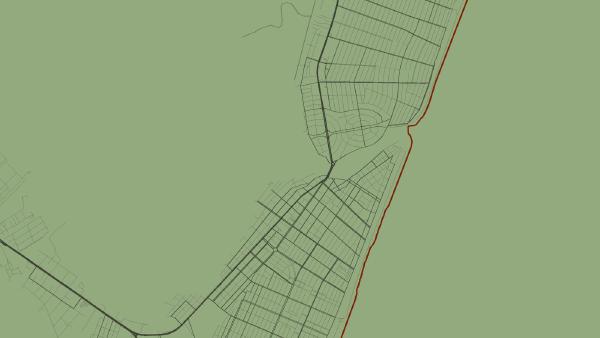
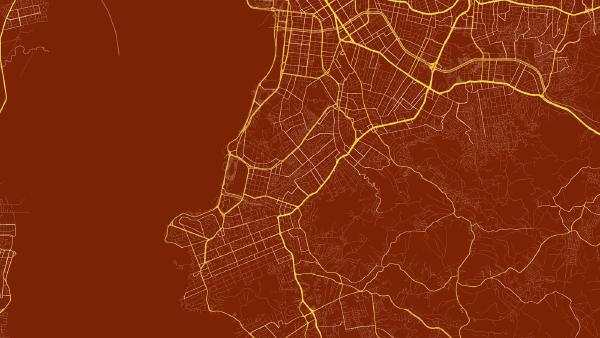
How is tourism-driven urbanization reshaping the North Coast of Rio Grande do Sul, and what is it doing to sensitive coastal ecosystems?
How can we define where to rebuild after a disaster — safely, quickly and on a tight budget?
How can sociospatial fragmentation be measured over five decades, and linked to the public policies and market dynamics that produced it?
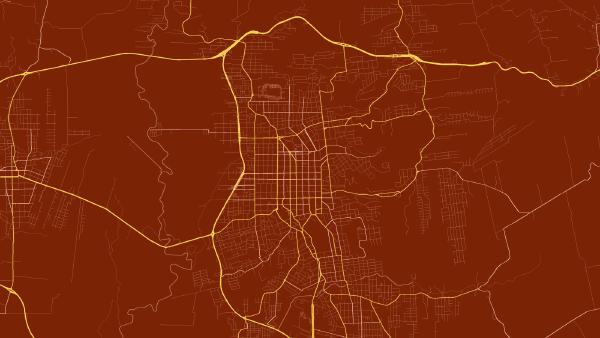
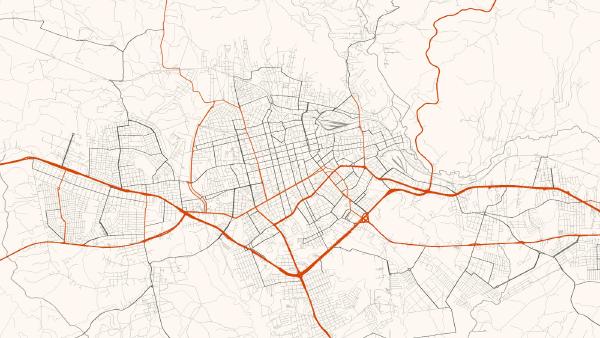
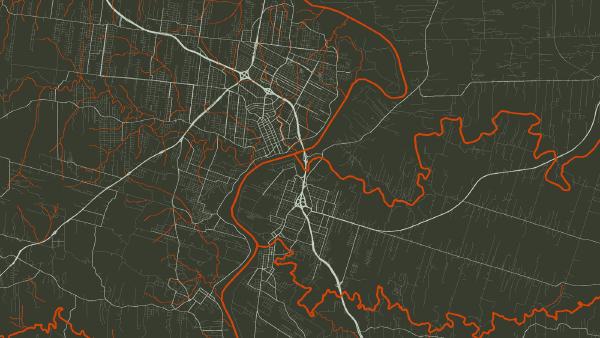
What role do medium-sized cities play in organizing their regions, and how do they structure flows of people, capital and information?
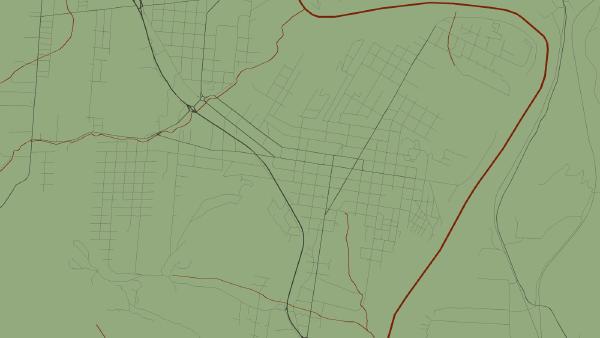
What role do small cities play in the regional urban network, and what are their own sociospatial and morphological dynamics?
In the weeks after the 2024 floods, how could researchers provide small municipalities with a fast, reliable picture of what was hit?
Where are Porto Alegre's gated communities, what do they look like, and what does their distribution say about segregation in the city?
When the pandemic arrived, how could we track the spread of Covid-19 across a territory as large as Rio Grande do Sul, and explain it to the public?
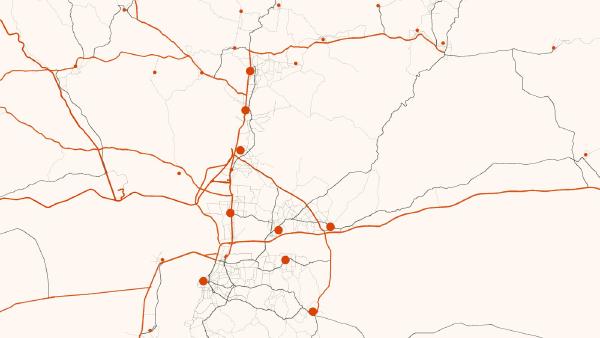
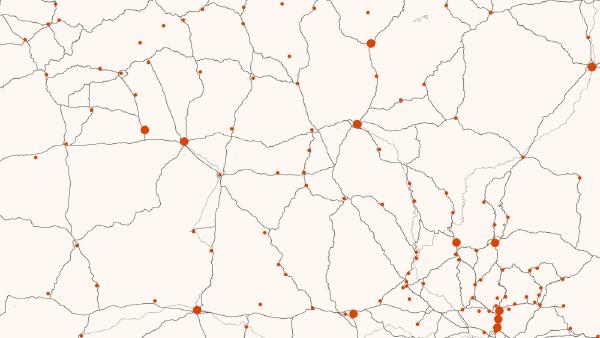
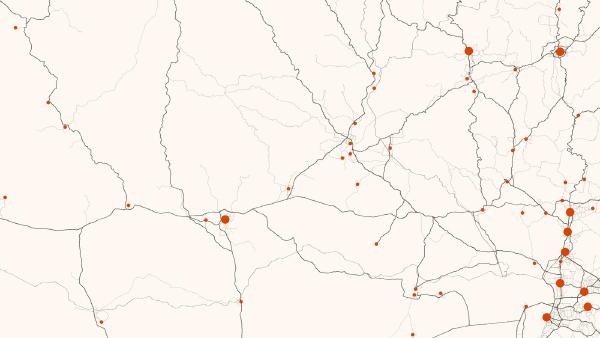
Do regions in Rio Grande do Sul function around a single dominant city or around several centers, and what does that mean for regional development?
How do the location decisions of multinational companies shape the network of cities in a region, and can we see it in the data?